
Connection between the tongue, pelvic floor and foot
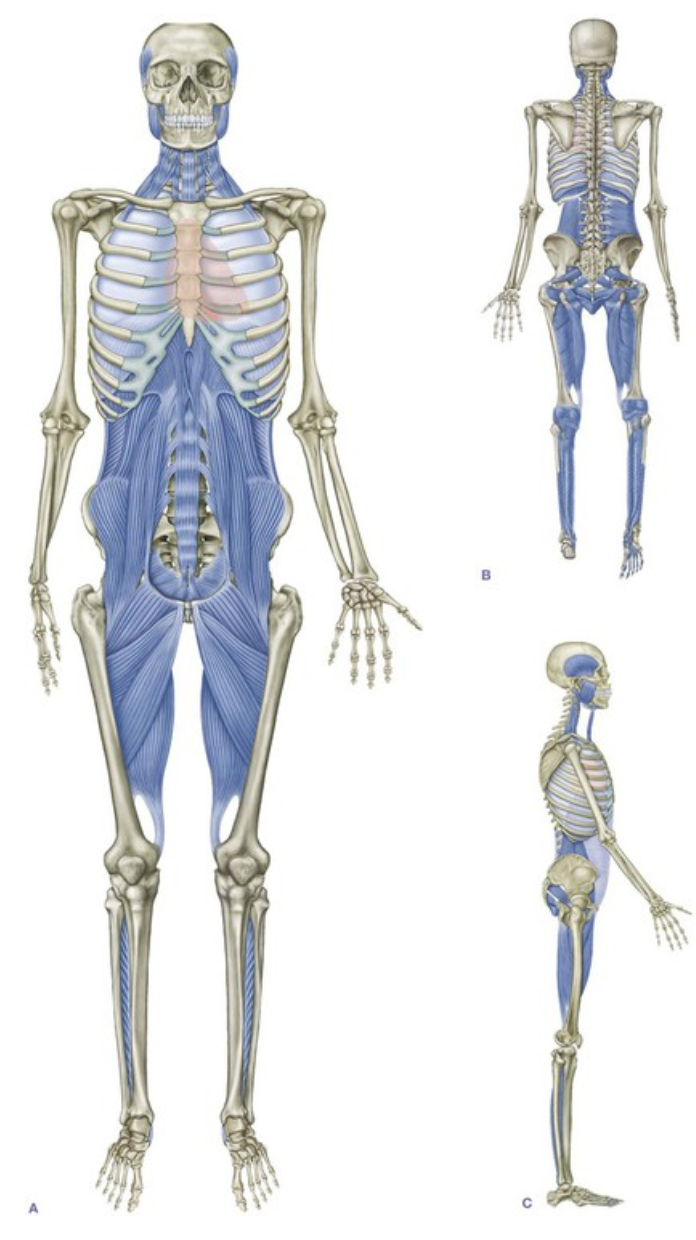
Your tongue, pelvic floor and arches in your feet are connected. They are connected through structures, fascia and reflexology. The tongue is connected from the wind pipe (larynx), lungs, diaphragm, back muscle that connects base of ribs to pelvis (quadrates lumborum), front groin/ hip flexor muscle that connects belly button to pelvis & femur (iliopsoas), inner thigh muscles (hip adductors), knee capsule, diagonal posterior knee muscle (popliteus) and muscles that run from inner knee to arch of foot (FDL, tibias posterior, FHL).
If you think about the tongue being on one end of the rubber band, the pelvic floor in the middle and the arches in the feet being the other end. When you lift the tongue, you will pull the pelvic floor and arches up. When you drop the tongue, you will allow the pelvic floor and arches to drop. So if you have a patient having a difficult time lifting or relaxing their pelvic floor, try using the tongue or arches to help the patient learn the neuromuscular connection.
I often discuss resting tongue posture with my clients whether they have TMJ, headaches, pelvic floor dysfunction, hip pain, vocal cord dysfunction, shortness of breath, knee pain, feet pain, flat feet, plantar fasciitis, navicular drop, bunions or hammer toes.
Do you have a tongue tie? Try sticking out your tongue. Does it go straight out and get skinny like a lizard? Does it drop? Does it pull to one side? Does it stay fat? If the tongue drops, pulls to one side or remains fat you may need manual assistance to loosen restrictions whether in the mouth or a visceral (organ)/ skeletal connection. Feel free to reach out if you need to schedule a consultation and get a plan of care how to correct this dysfunctional movement.
Do you have any bladder leakage? Do you have difficulty voiding urine in 12 seconds or less? Do you have pelvic nerve pain, numbness or tingling? Do you have pain with intercourse? Do you have hemorrhoids? If you answered yes to any of these, you would benefit from physical therapy. If you have a hard time voiding urine in 12 seconds or less, try lowering your tongue, allowing your foot arch to drop or using a squatty potty to assist in relaxing your pelvic floor musculature.
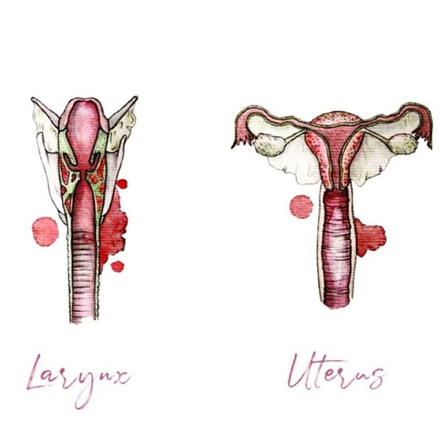
Just look at how similar the structure of the larynx and uterus is.
If you have hemorrhoids or pelvic floor prolapse, we can assist in determining what caused the tissue to herniate outward. Do you have increased laxity in your tissues, excessive mobility or Ehlers Danlos syndrome? Are you straining with bowel movements? Could an antibiotic resistant infection or tick/ vectorborne pathology have caused the tissue to weaken or degenerate? We have test kits in the office and offer analyzation of specialized testing, antibiotic resistant colonization and biofilm which may contribute to the root cause of why tissues are weakening, stretching and herniating. A visceral assessment would highlight any movement restrictions the body is hugging/ pulling into. There should be maximal pressure in the pelvic cavity, less pressure in the abdominal cavity and even less in the chest/ thorax cavity. When these pressure differences are not maintained because of a pull, tissues are more likely to herniate. This is a root cause approach. Learning what caused the dysfunction to begin with.
The body is so amazing in all of its interconnections.
Do you have flat feet? Really high arches? Bunions? Hammer toes (curling around)? Are you in shoes with too tight of a toe box? If you have plantar fascitis, achilles tendonitis, bunions or hammer toes, you likely do not know how to use your foot intrinsic, arch muscles and have been operating in shoes that are not serving you. I find most clients use momentum to perform a calf/ heel raise and shift their body weight forward to offload the heel. In doing this, you just avoided moving your big toe joint and calf muscles, dropping your arch (deep front line tissue noted above) and activating your buttocks. You need to retrain your nervous system and correct your compensations and dysfunctional movement. I love using Blackboard to assist in retraining the foot (see product recommendations tab).
If any of these describe issues you are working through, a 1:1 assessment, attention to detail, manual therapy, correction of footwear/ movement and neuromuscular retraining may aid you. We offer whole body healing, analyzing symptoms, assessing dysfunctional movement patterns, restrictions and labs to help support the body maximize its healing potential, strength and transfer of power into sport or everyday activities.
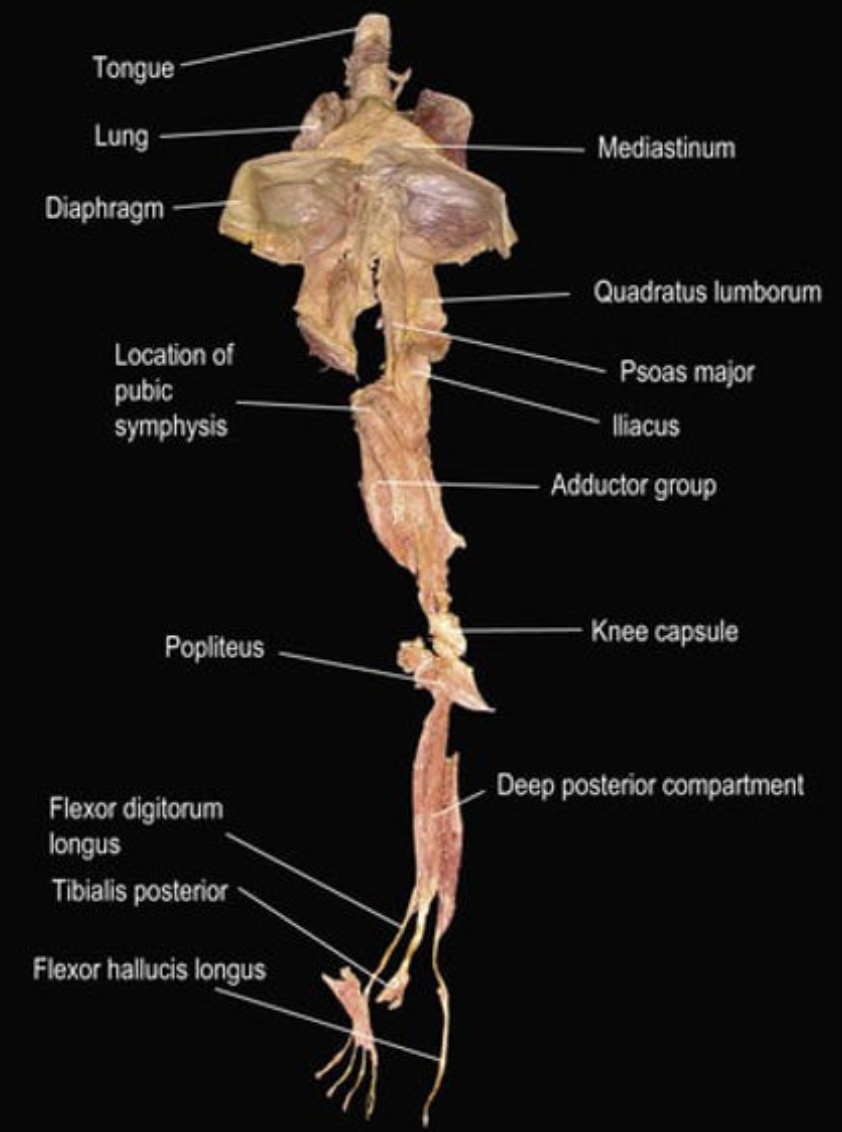
I always say “the body is smart, it is just not intelligent. It will find a work around. It may not be the correct work around.”
This is why you cannot focus on just one isolated body part and expect to heal the whole. If you are seeing a practitioner who is not addressing how the body integrates and moves together, then you are not addressing your body as a whole. You run the risk of your issue or dysfunction returning if you do not correct the root cause.
Just remember, “the body leaves clues”.